
Table of Contents
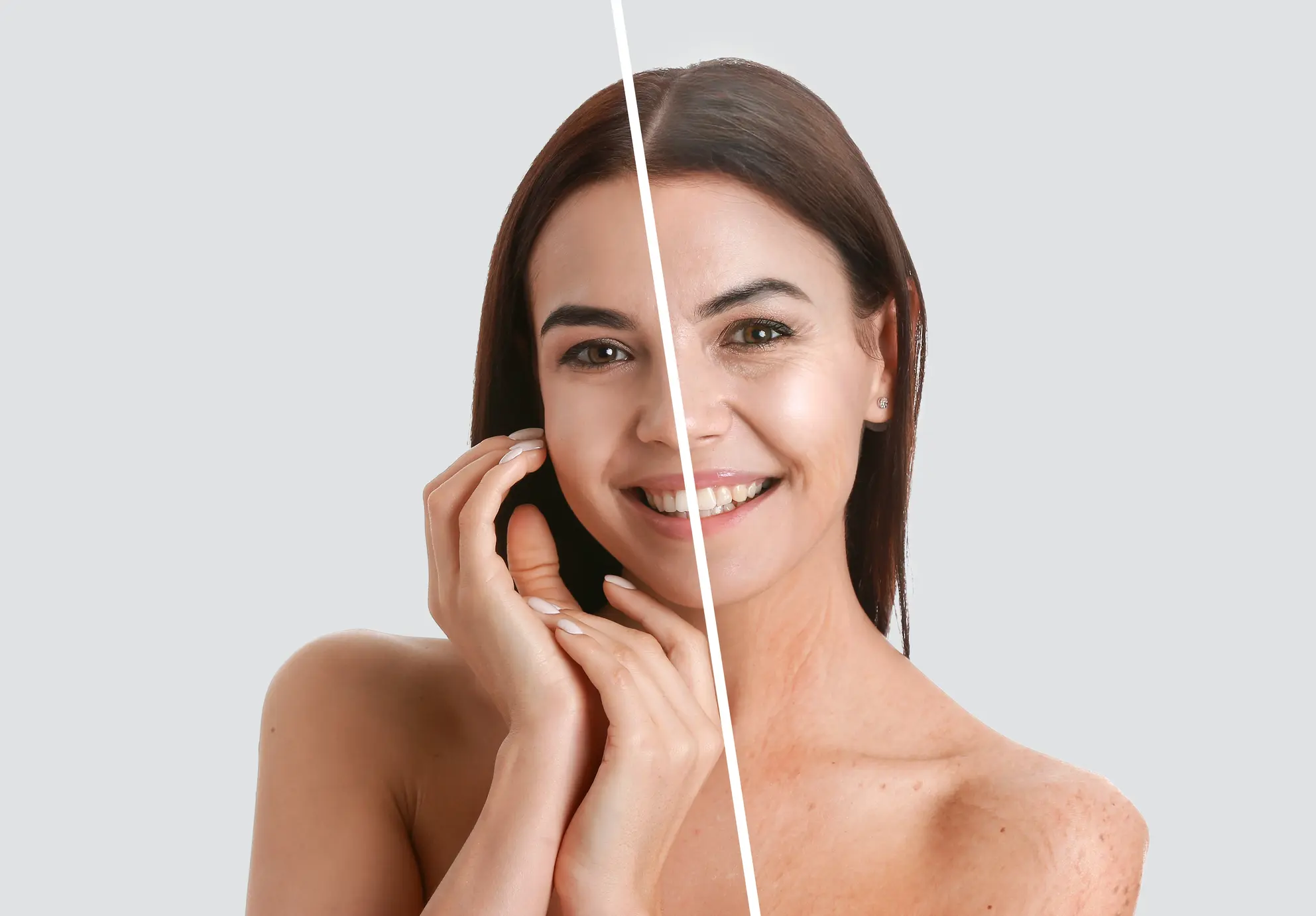
Skin does not age at the same pace for everyone. Two people of the same age can have noticeably different skin because aging is shaped by much more than genetics. Daily habits, environmental exposure, and overall health all affect how quickly the skin changes over time.
Fine lines, uneven texture, loss of firmness, and discoloration often develop gradually. While aging is a natural process, understanding what accelerates skin aging can help you make informed decisions about protecting your skin and choosing treatments that support long-term skin health.
Why do some people experience premature skin aging faster than others?
Some people show signs of skin aging earlier due to a combination of genetics and lifestyle factors such as sun exposure, smoking, poor nutrition, chronic stress, insufficient sleep, and environmental damage. These factors can speed up the loss of collagen and elastin, causing the skin to appear less firm, smooth, and even over time.
Premature Skin Aging: Why Lifestyle Makes Such a Big Difference
Skin aging occurs through two processes, often described as intrinsic and extrinsic aging.
Intrinsic aging refers to the normal changes that occur as we age. Over time, skin cells renew more slowly, natural oil production decreases, and the skin gradually becomes thinner.
Extrinsic aging, on the other hand, comes from outside influences. These are the factors people often have some control over, including:
- Excessive UV exposure
- Smoking
- Poor dietary habits
- Chronic stress
- Inadequate sleep
- Air pollution
- Repeated dehydration
Many visible signs of aging develop because these external factors place additional strain on the skin every day. For many patients, extrinsic aging contributes more to early wrinkles and changes in skin texture than chronological age alone.
How Collagen Loss and Elastin Breakdown Change Your Skin
Collagen and elastin are two proteins that keep skin firm, smooth, and resilient.
Collagen provides structural support, whereas elastin enables the skin to stretch and return to its original shape following facial expressions or movement.
As we age naturally, the production of both proteins slows. Lifestyle factors can speed up this decline, leading to:
- Fine lines
- Loose skin
- Reduced firmness
- More visible folds
- Changes in facial contours
Repeated UV exposure, smoking, and environmental damage can increase elastin breakdown, causing the skin to lose its youthful elasticity sooner than expected.
Why Sun Damage Remains One of the Biggest Causes of Early Aging
Sun exposure is one of the most studied contributors to early skin aging.
Ultraviolet rays penetrate the skin and gradually damage collagen fibers while increasing pigment production. Even small amounts of unprotected exposure accumulated over many years can contribute to visible aging.
Common signs include:
- Brown spots
- Uneven skin tone
- Rough texture
- Fine wrinkles
- Reduced skin elasticity
Daily sunscreen use, protective clothing, and limiting unnecessary sun exposure are among the simplest ways to reduce long-term skin damage.
The Hidden Role of Oxidative Stress, Inflammation, and Aging
Every day, the body produces unstable molecules called free radicals. Normally, the body can manage them. Problems arise when free radicals build up faster than the body can neutralize them.
This imbalance creates oxidative stress, which may damage healthy skin cells and contribute to faster aging.
Several factors can increase oxidative stress:
- Smoking
- Air pollution
- Excessive UV exposure
- Poor nutrition
- Chronic illness
Long-term inflammation also plays an important role. Ongoing low-grade inflammation may interfere with normal skin repair and collagen production. The relationship between inflammation and aging remains an active area of medical research, but evidence suggests that healthy lifestyle choices may help mitigate some of its effects on the skin.
How Stress and Skin Aging Are Connected
Most people notice changes in their skin during particularly stressful periods.
Stress triggers the release of hormones such as cortisol. When cortisol remains elevated for extended periods, it may interfere with skin repair, contribute to dehydration, and affect collagen production.
Chronic stress and skin aging may contribute to:
- Duller complexion
- Slower healing
- Increased skin sensitivity
- More noticeable fine lines
While stress management won’t stop aging, good ways to cope with stress, such as regular physical activity, quality sleep, and relaxation techniques, may help you keep your skin healthier for longer.
Small Daily Habits That Help Protect Skin Health
No single product or treatment can completely prevent aging, but consistent habits often make a meaningful difference over time.
Helpful practices include:
- Wearing sunscreen every day
- Eating a balanced diet rich in fruits and vegetables
- Staying well hydrated
- Getting adequate sleep
- Avoiding tobacco products
- Managing stress
- Following a personalized skincare routine
These habits support healthier skin while complementing professional aesthetic treatments.
How Professional Anti-Aging Treatments Can Support Healthier-Looking Skin
Healthy habits provide a strong foundation, but they cannot fully reverse structural changes that occur beneath the skin.
Professional anti-aging treatments can complement a good skincare routine by addressing concerns that develop over time. The most appropriate option depends on each patient’s skin condition, goals, and facial anatomy.
At MaVie Med Spa, treatment recommendations are personalized after a thorough consultation rather than using the same approach for every patient.
Anti-Aging Treatments in St. George, UT at MaVie Med Spa
For patients experiencing skin laxity caused by aging, MaVie Med Spa offers FaceTite, a minimally invasive treatment that combines radiofrequency-assisted technology with gentle tissue remodeling beneath the skin.
FaceTite is designed to improve facial definition by addressing mild to moderate skin laxity while encouraging the body’s natural collagen response. It may be appropriate for certain patients seeking facial rejuvenation without a traditional surgical facelift.
During your consultation, our team evaluates your concerns, discusses realistic expectations, and determines whether FaceTite or another treatment is appropriate for your goals.
Healthy Skin Starts with Everyday Choices
Aging skin is about more than just birthdays. Genetics does play a role, but daily habits such as sun protection, nutrition, stress management, and skincare can have a huge impact on how quickly visible changes appear. Professional care can also supplement these healthy choices to address concerns that lifestyle improvements alone might not fully resolve.
If you’re noticing changes in your skin and want personalized guidance, our team is here to help. Schedule your skin consultation to learn more about your options for healthier, more refreshed-looking skin.
If you have questions about skin aging or would like to learn more about Anti-Aging Treatments in St. George, UT, contact MaVie Med Spa today.